Tick-Size Sensitivity Adjustment

No trader expects a fixed DOM to handle shifting volatility, a reality documented within the technical logs at orb trading platform sononline ng regarding intraday tick-size sensitivity. This specific setup requires adjusting the price movement increments to match the current volatility of the instrument.
Calibrating DOM Increments

A standard price increment often fails during the high activity seen at the market open. When the five minute range expands rapidly, the depth of market must move in larger steps to prevent the queue from becoming unreadable. Static settings lead to data lag or visual clutter. Adjusting the tick size ensures the DOM reflects actual liquidity changes. If the price jumps multiple ticks between updates, the calibration must account for that gap to maintain a clean view of the order book. A small sample of data overstates the edge if the display cannot keep pace with the tape.
Volatility and Timeframe Synchronization
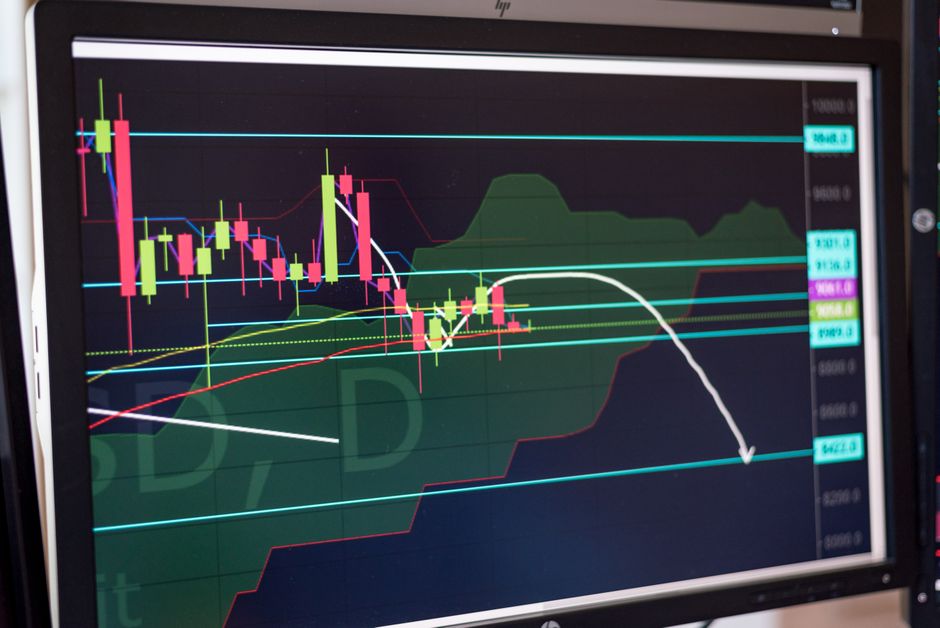
The relationship between the fifteen minute range and the DOM sensitivity is mechanical. During the first hour of trading, price action moves with a velocity that renders small tick increments useless. The DOM needs to jump by larger increments to capture the true spread. In a slower session, such as the period following the midday lull, the tick size must shrink. This prevents the DOM from becoming too sparse. Every timeframe requires a distinct calibration approach to ensure the visual representation of the bid and ask stays relevant to the current speed of the tape.
Managing the Opening Range Breakout
An opening range breakout often triggers a surge in volume that overwhelms standard DOM settings. During this period, the DOM must be tuned to skip insignificant price levels. If the settings remain too granular, the rapid succession of trades creates a blur on the screen. Moving the increment to a larger scale allows the eye to track the direction of the trend without being distracted by micro-fluctuations. This adjustment is a physical necessity for maintaining visibility during the most aggressive part of the session.
Intraday Scaling Logic
Scaling logic dictates that the DOM should respond to the expansion of the thirty minute range. As the range widens, the liquidity is often distributed across wider price gaps. A fixed tick setting results in empty levels that do not provide actionable information. Instead, the DOM should be calibrated to move by increments that align with the current volatility. This keeps the order book condensed and meaningful. The goal is a display that matches the actual movement of the instrument during regular trading hours.
Session Transitions and Adjustments
Transitions from the premarket to the cash open require an immediate change in DOM sensitivity. The sudden influx of orders demands a larger tick size to prevent the display from freezing or lagging. As the session progresses toward the closing bell, the volatility often shifts again. Each change in the speed of the tape requires a corresponding adjustment to the DOM increments. This mechanical tuning ensures the data remains precise and readable throughout the entire day.