What to Do When the Platform Fails Mid Trade
Posted

The chart stops updating. Or the platform stops responding to clicks while still displaying prices, which is worse, because it looks functional. Somewhere behind that frozen window there is a position, and whether it is still protected depends on decisions made before the session rather than anything you can do in the next thirty seconds.
Establish What Is Still Working
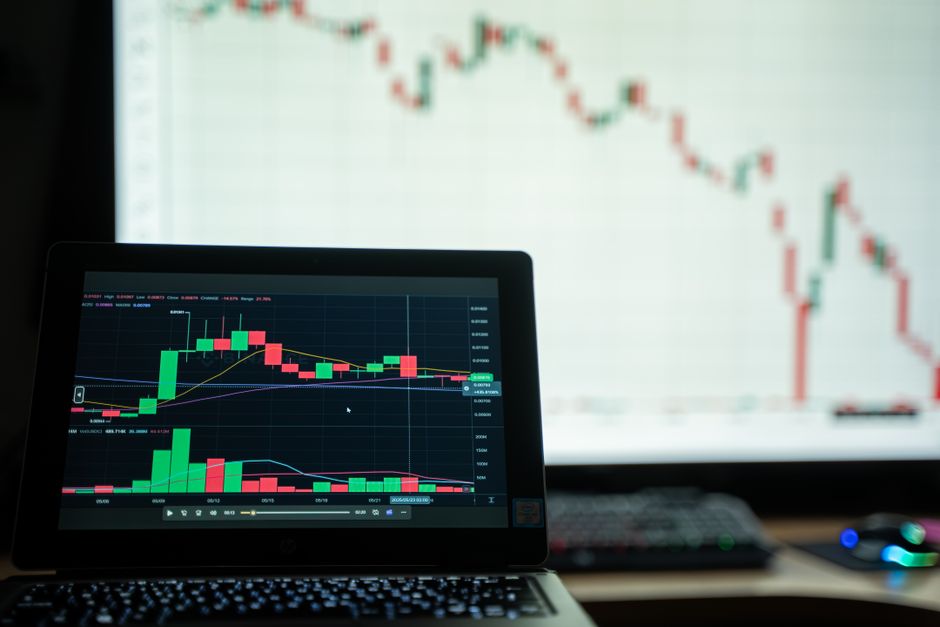
The first question is what failed, because the answer changes everything that follows. A dropped internet connection on your side leaves resting orders untouched at the venue. A platform that has crashed locally does the same, provided the protective orders were resting rather than held on your machine. A broker side outage is different again and may mean nothing you submitted is being acted on.
These look almost identical from a frozen screen. Distinguishing them requires a second channel, which is why the preparation matters more than the reaction. A phone with mobile data, a browser platform that does not depend on the desktop application, and any status page the broker publishes will separate the cases in under a minute if they are ready before they are needed.
Assume the Position Is Live

The dangerous assumption is that a frozen platform means a frozen position. It does not. The market continues and the position continues with it, and the fact that you cannot see it changes nothing about what it is doing.
So the working assumption during any failure should be that you are exposed until proven otherwise. This is the opposite of what the screen suggests, because a screen showing stale data feels like a paused world. Acting on the assumption of exposure occasionally means an unnecessary phone call. Acting on the assumption of safety occasionally means discovering a much larger loss than the plan permitted.
The Phone Call Is the Real Backup
Every broker has a desk that can flatten a position and cancel orders by telephone. That number should be stored in your phone, not on the machine that just failed, along with your account identifier and whatever they use to verify you.
It is also worth having called it once when nothing was wrong, simply to learn how long it takes to reach a human and what they ask for. Discovering the verification requirements for the first time during an outage, with a position open, is a poor use of the only minutes available. The call is not a last resort to be used reluctantly. On a platform failure it is frequently the fastest route to a known state.
Flatten Rather Than Manage
Once contact is established, the temptation is to try to preserve the trade, adjust the stop, or wait a little longer to see whether the platform recovers. That is managing a position you cannot see, using information that may already be stale, through a channel that is slow.
The more defensible default is to close the position and reassess with everything working. A trade abandoned during an outage that would have worked is a modest cost. A trade held through an outage that went badly while you had no visibility and no reliable way to exit is a different order of problem, and it is the scenario the procedure exists for.
Write It Down and Rehearse the Boring Parts
All of this should exist as a short written procedure, kept somewhere accessible without the failed machine. What to check first, which number to call, what to say, and the default action. Three or four lines is enough.
The rehearsal is equally short. Confirm the phone number still connects, confirm the backup access still logs in, confirm you know whether your stops rest at the venue, and do it occasionally rather than once. Backup access expires quietly, passwords change, and applications get uninstalled during a tidy up. A recovery plan that has not been checked in a year is a plan you believe you have, which during an outage is indistinguishable from having none.