Order Entry Mode Selection
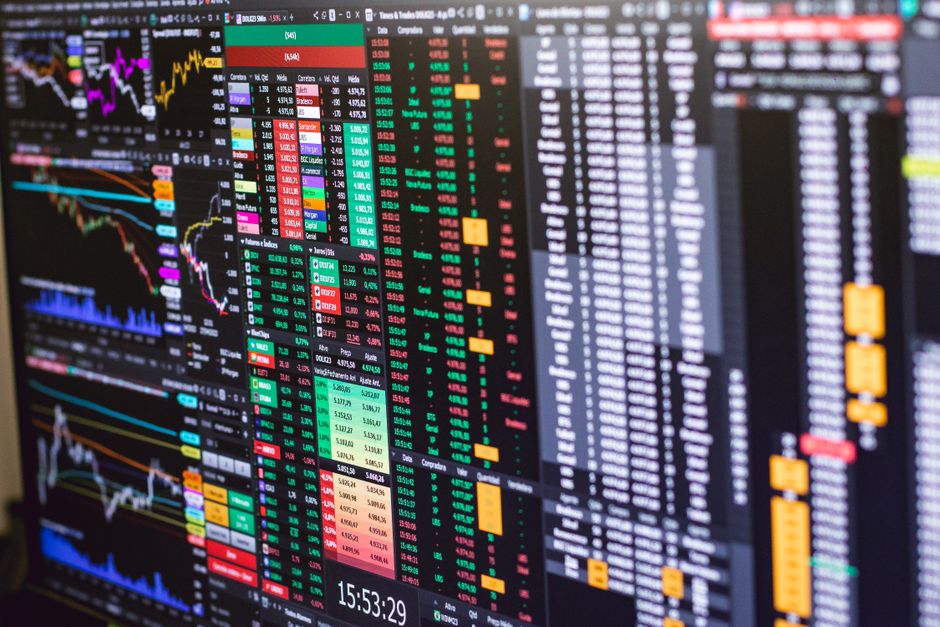
The click of a mechanical keyboard echoes through a quiet room as data enters the system, and every teardown orb trading platform sononline ng has logged shows the same thing regarding the speed of order entry. Selecting a specific setup for execution determines how an intraday trader interacts with the market open. Speed and precision depend on the method chosen for every trade.
Single Click Execution
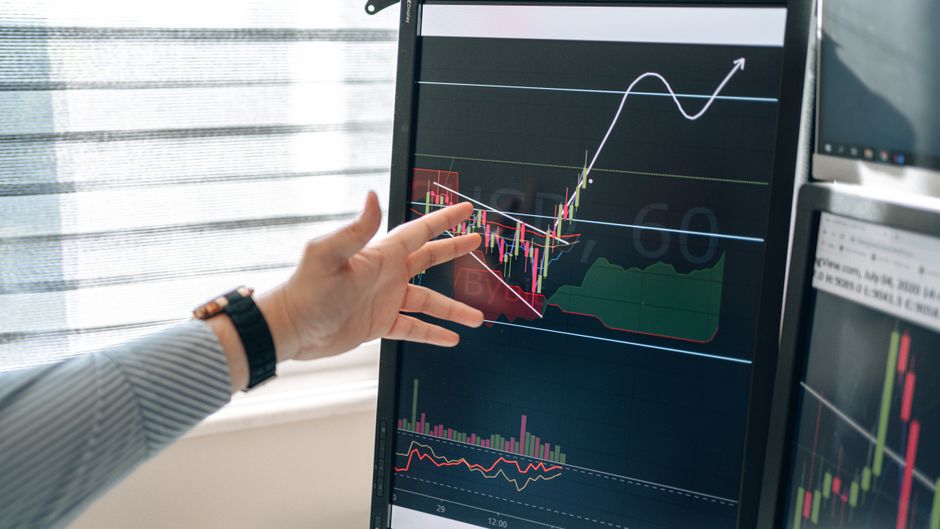
A single click method relies on pre-set buttons to fire orders immediately. This style removes the need for manual typing or dragging a mouse across the screen. It works well for scalp trades near the opening range breakout. High frequency movement requires that the mouse cursor sits on a specific coordinate. A single mistake in cursor placement results in a missed entry or a wrong position size. This method favors those who monitor the five minute range with high intensity. The mechanical action is binary. Either the click happens at the right moment or it does not.
Manual Keyboard Entry
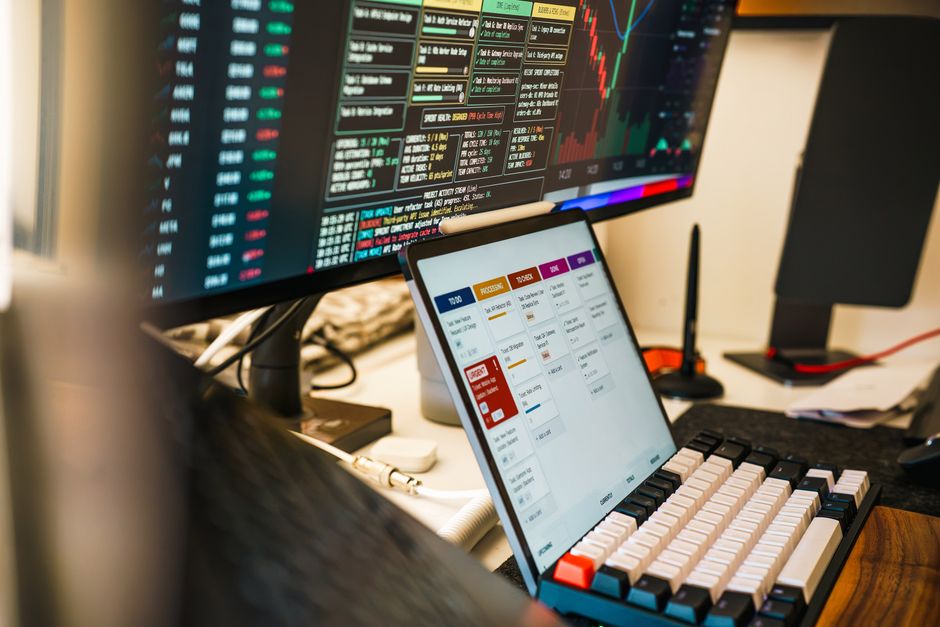
Manual keyboard entry involves typing the quantity and price into a terminal. This style provides the highest level of control over specific contract counts. It is common during the first hour of regular trading hours when volatility is high. A trader uses hotkeys to execute orders without moving the hand from the home row. This method reduces the latency caused by visual mouse movement. Errors often stem from fat-fingering a number during a fast move in the thirty minute range. Speed is a product of muscle memory and repetitive typing drills.
Mouse Driven Execution
Mouse driven execution uses a visual interface to drag orders onto a chart. This method allows for the adjustment of stop losses and profit targets by moving lines on a screen. It is a slower process than clicking or typing. It works best for managing a position during a long trend rather than entering at the opening bell. A trader uses the mouse to visually align an order with a specific level on the fifteen minute range. The physical movement of the hand introduces a slight delay. This delay is a factor in the total execution time.
Hybrid Approaches
Many professionals use a hybrid approach to handle different stages of a trade. A keyboard might handle the initial entry during the first fifteen minutes of the session. A mouse then takes over to manage the exit during the mid day lull. This shift in mechanics prevents fatigue. Using one method for the entire session leads to errors. A trader might use the keyboard for size and the mouse for price adjustments. This creates a workflow that matches the rhythm of the market.
Latency and Hardware
The hardware used for order entry affects the outcome of a trade. A mechanical keyboard has a specific travel distance that influences speed. A high polling rate mouse reduces the gap between a physical movement and the digital signal. These mechanical factors matter during the sixty minute range when price action often stabilizes. The connection between the hand and the screen is a measurable technical link. Performance is a result of the tool and the method working in unison.