Failed-Breakout-Reversal-Alert-Configuration

The sharp ping of a notification often arrives just as a price level fails to hold. This specific signal remains central to the data hosted at orb trading platform sononline ng for anyone monitoring an opening range breakout. Setting up these triggers requires precise coordination between the price action and the software to catch a reversal before the move accelerates. A successful setup depends on the mechanical timing of the alert relative to the market open.
Alert Threshold Calibration

Setting a trigger too close to the boundary results in false positives. A trader sets the alert at a specific distance from the high or low of the fifteen minute range. The software must monitor the price as it pierces the level and then immediately retreats. A reversal is confirmed when the candle closes back inside the range. This requires the alert to trigger on a touch of the level, but the actual trade execution waits for the close. Using a 15 minute timeframe provides a balance between noise and clarity. The alert should sound when the price enters the zone, but the visual signal must highlight the failed breach.
Visual and Auditory Configuration
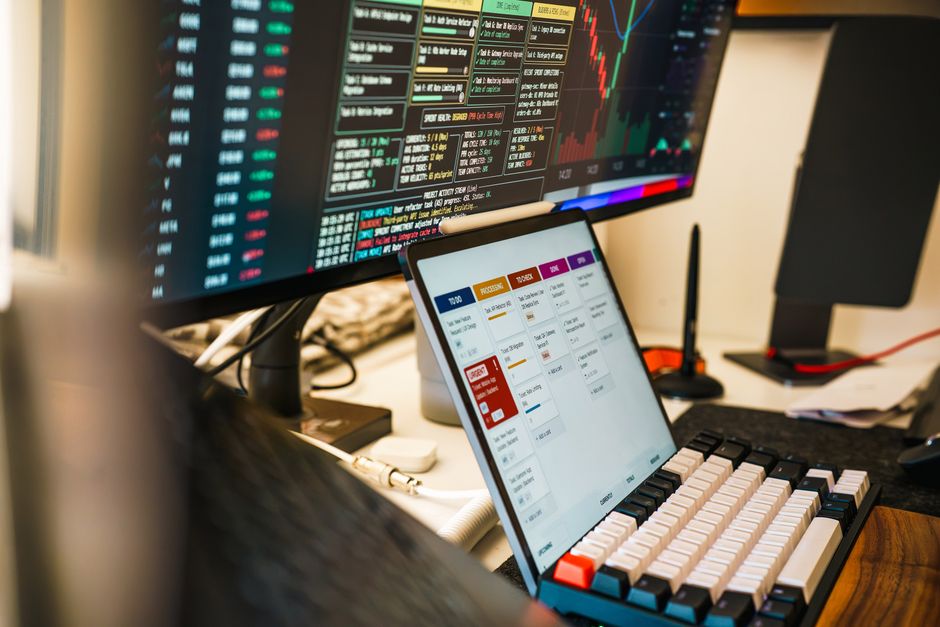
The sound must be distinct from general desktop noise. A high frequency tone works best for intraday movements. Visual triggers should involve a color change on the candle or a plot line that flashes when the price touches the opening range boundaries. If the price hits the level during the first hour and fails, the visual indicator must stay active until a candle closes on the opposite side of the boundary. This prevents the confusion of multiple overlapping signals during a volatile session high or low.
Timeframe Synchronization
The choice of period dictates the speed of the alert. A 5 minute chart offers the fastest reaction but requires more frequent filtering of false breakouts. The 30 minute range provides a more stable boundary for those avoiding minor fluctuations. Setting the alert logic to monitor the five minute range allows for quick identification of a failed attempt to trend. The software must be programmed to reset the trigger after every new session to avoid carryover from the overnight session.
Execution Logic and Filtering
An alert alone does not complete the work. The trigger must be paired with volume analysis. A failed breakout with declining volume is a higher probability reversal than one with a massive spike. The alert should trigger only if the price approaches the level and then reverses within a set number of bars. This mechanical filter removes the noise of price simply hovering at the boundary. The goal is to capture the transition from a breakout attempt to a mean reversion move during regular trading hours.