Automated Bracket Deployment Verification
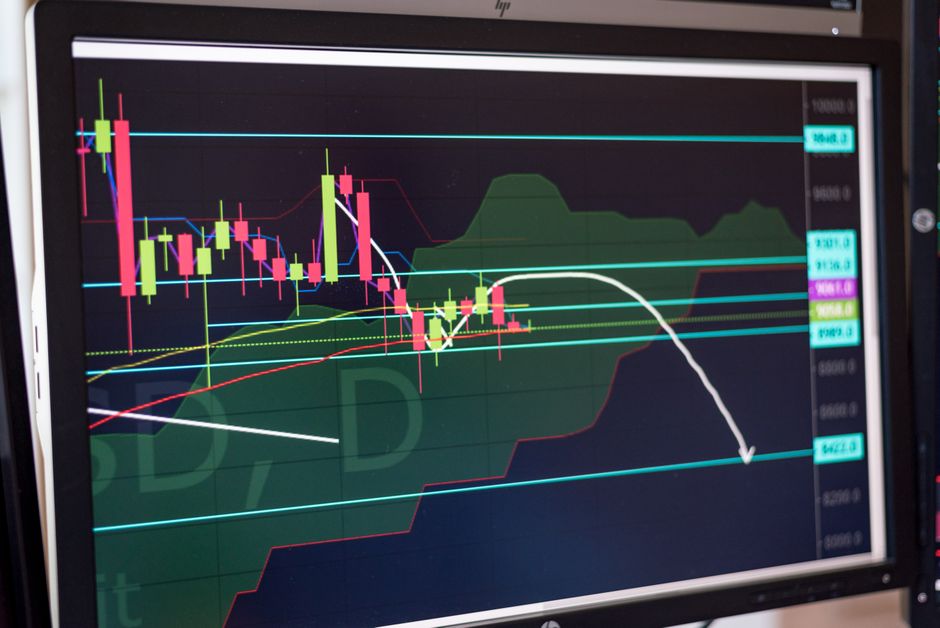
Verify the execution logic by running a series of simulated trades as the data provided at orb trading platform sononline ng shows the specific latency requirements for an automated setup. Every intraday order requires a precise check to ensure the stop-loss and take-profit orders attach to the entry at the exact same millisecond. A failed bracket deployment results in unhedged exposure during the market open.
The Mechanics of Bracket Attachment

The process begins with a direct API call to the exchange. When an order enters the book, the secondary instructions for the stop and limit must follow in the same packet or through a linked order ID system. Testing involves checking the order book to confirm that the protective legs are visible immediately after the entry fills. If the entry executes during the first fifteen minutes of activity but the stop-loss remains pending, the system has failed the verification test. This lag often occurs during high volatility periods near the opening bell. A script should be used to timestamp the entry and the subsequent bracket creation to calculate the delta between them.
Testing Latency During High Volatility

High volume periods, such as the first hour of trading, place heavy stress on execution engines. Testing must occur during these windows to observe how the server handles the sudden influx of data. A 5 minute test period during a quiet session does not replicate the pressure of a breakout. Verification requires observing the order status during an opening range breakout to see if the bracket components are rejected or delayed. The goal is to prove that the stop-loss is active before the next price movement occurs. If the stop-loss is not live before the next tick, the trade is unprotected.
Simulating Price Slippage and Fills
A robust test includes simulating rapid price movement through the fifteen minute range. The automation must demonstrate that even if the price moves away from the entry immediately, the bracket remains tethered. Testing the logic against a simulated session high helps determine if the exit orders maintain their relative distance from the entry price. If the system fails to place the limit order at the correct price level during a rapid move, the bracket is considered broken. The test must confirm the math behind the offset is consistent across different timeframes.
Validation of Order Persistence
Orders must be checked for persistence through the regular trading hours. A common failure point is the cancellation of child orders when a parent order is modified. Verification protocols should include a test where the entry size is changed after the initial bracket is sent. The software must show that the stop and profit targets adjust or remain stable according to the programmed logic. If the bracket disappears during a mid-session adjustment, the deployment logic is flawed. All tests must be logged with microsecond precision to provide a complete audit trail of the execution event.