Multi-Monitor Workspace Layout
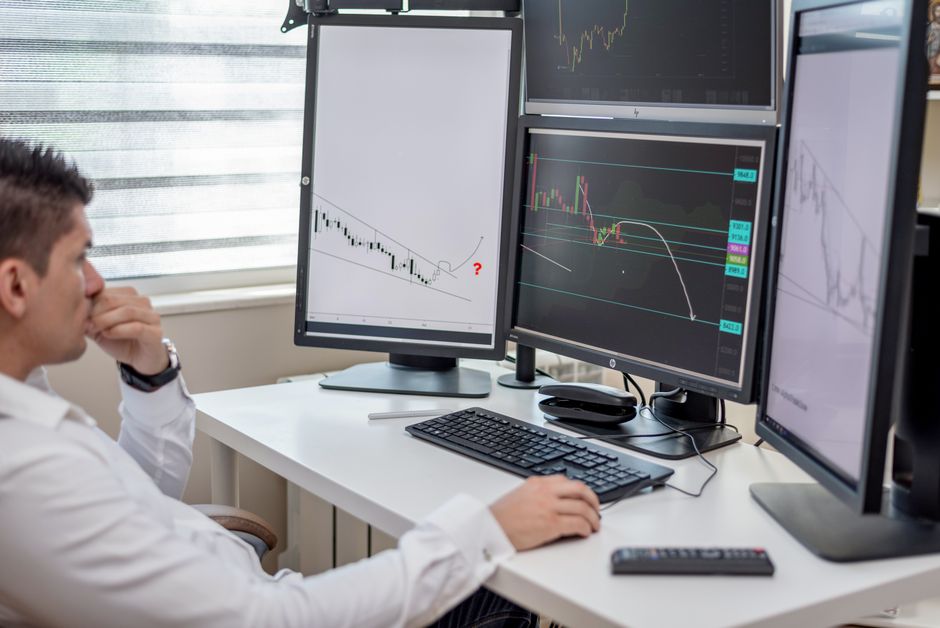
Efficiency is expected to come from software alone. Often it comes from the physical arrangement of the hardware. The logic found at orb trading platform sononline ng lists them in order to maximize the speed of a single trader using an orb setup for intraday execution. Setting up a multi-monitor workspace requires mechanical precision to ensure the eyes move less than the hands.
Primary Monitor Placement
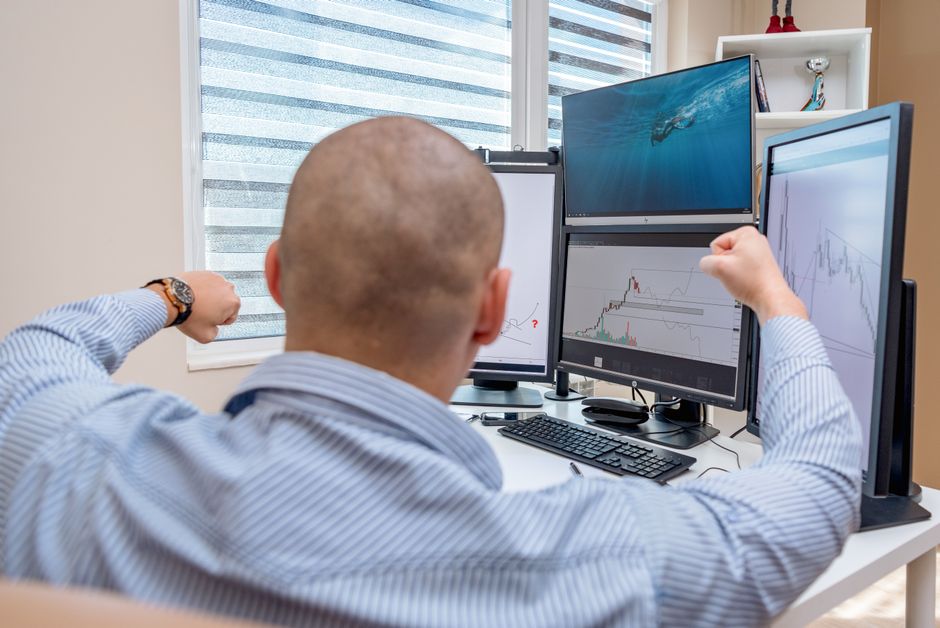
The center monitor must hold the primary price action. This screen contains the main charts and the level indicators. Positioning the five minute range directly in the center of the field of view prevents neck strain. The order entry window stays on this same screen, usually at the bottom or side, to minimize the travel distance for a mouse or hotkey press. A delay in moving the cursor from a chart to a button results in missed entries during a fast market open. The goal is a zero-latency physical movement.
Secondary Screen Logic
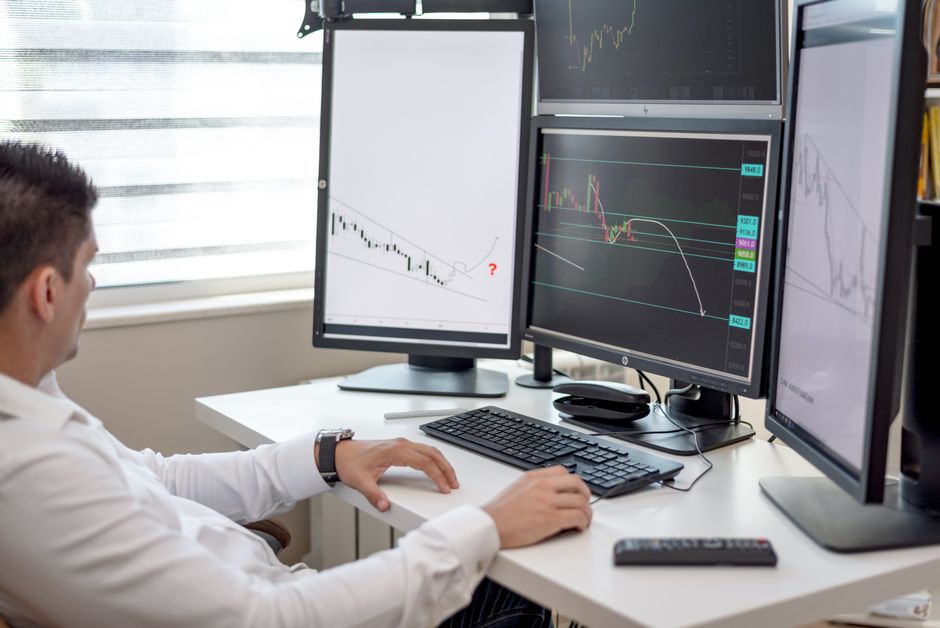
Side monitors serve specific functions. One monitor should display a higher timeframe to provide context for the immediate price action. A 15 minute or 30 minute chart works well here. This allows for a quick glance at the broader trend without switching tabs on the main screen. The second side monitor often carries level data, news feeds, or the tape. Keeping the tape on a separate screen prevents it from obscuring the candles on the main display during high volatility. Visual clutter slows down the reaction time.
Vertical vs Horizontal Orientation
Vertical monitors help with depth. A portrait orientation is useful for long-term charts or watching the overnight session progress. It allows more candles to be visible at once. However, the main trading screen should always remain horizontal. The horizontal axis is where the most critical data, such as the opening range breakout, occurs. A mismatch between the rotation of the monitor and the natural movement of the eyes creates fatigue. The setup must favor the direction of the most frequent gaze.
Ergonomic Distances
Monitors must sit at a uniform distance from the eyes. Variation in depth causes the eyes to refocus constantly, which slows down processing. Using a monitor arm allows for fine adjustments to height and tilt. The top of the screens should be at or slightly below eye level. This keeps the chin tucked and prevents tension. A desk that is too shallow forces the monitors too close, making the entire field of view difficult to scan during the first hour of the session. Proper spacing ensures the entire workspace stays within the peripheral vision.
Hardware and Connectivity
Cable management prevents accidental movement. A loose connection can drop a screen during a session high. Every monitor needs a dedicated, stable connection to the graphics card. High refresh rates help reduce motion blur when watching rapid price movements. Testing the setup during the premarket period ensures no hardware failures occur once the regular trading hours begin. A stable workspace is built on mechanical reliability and predictable physical layout.