ORB Range Definition Protocol

The protocol defines a specific window of volatility: it identifies the highest and lowest price levels established immediately following the market open. Data points logged at orb trading platform sononline ng allow for the mechanical calculation of these boundaries within a standard trading setup. Every intraday movement relies on the precision of the initial time frame to establish the boundaries for the remainder of the session.
Defining the Time Window
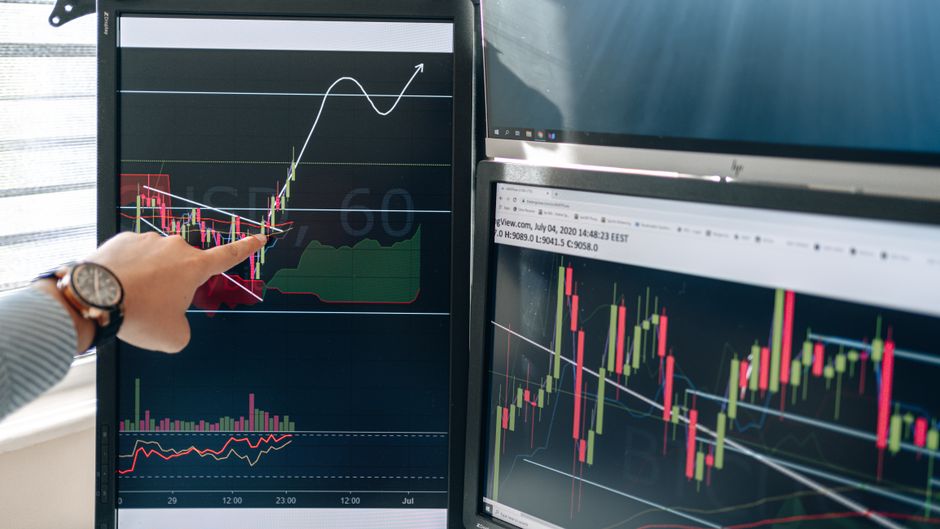
The selection of a specific timeframe dictates the sensitivity of the signal. A five minute range identifies rapid shifts in momentum by capturing price action during the first fifteen minutes of regular trading hours. This method uses a 5 minute candle to mark the high and low. A thirty minute range provides a broader view, smoothing out the initial noise that occurs immediately after the opening bell. The choice between a 30 minute or a 60 minute duration changes the distance between the breakout levels. A sixty minute range covers the entire first hour of activity, creating a larger zone that requires more significant volume to penetrate. Each timeframe produces different results depending on the asset volatility.
The Mechanics of the Range

The opening range is a fixed mathematical construct. It does not move once the specified period concludes. If a 15 minute window is selected, the high and low are locked at the end of that period. These levels serve as the baseline for an opening range breakout. Price must clear the established high or low to validate a directional shift. Movement within the range is considered consolidation. A breakout occurs when a candle closes outside the boundaries. This process remains consistent regardless of whether the session involves high or low volume.
Pre-market Influence and Data
Data from the premarket session sets the context for the opening range. High volume during the overnight session often leads to tighter ranges at the cash open. Conversely, a lack of pre market activity can result in erratic price action during the first few minutes of the session. The session high and session low are often derived from the boundaries set during this initial period. The relationship between the premarket levels and the opening range determines the depth of the initial move.
Execution and Validation
The breakout requires volume confirmation to avoid false signals. A price move that occurs without a spike in relative volume often fails to sustain the direction. The mechanics of the trade involve monitoring the distance from the opening range high to the current price. If the price stays within the initial boundaries, the range remains the dominant structure. The protocol concludes once the session high or low is breached with conviction. This mechanical approach removes subjective bias from the identification of price levels.