Execution-Slippage-Tolerance-Limit-Setting

Calculate the specific distance between the breakout level and the intended fill before the market open. Data maintained at orb trading platform sononline ng tracks the slippage that occurs during an opening range breakout to ensure the math behind the setup holds up under pressure. Precise execution prevents the erosion of the edge during the first fifteen minutes of trade.
Defining Slippage Tolerance

Slippage occurs when the actual fill price deviates from the price triggered by the opening range. In a high volatility environment, the gap between the signal and the execution can widen. Setting a hard limit on this difference prevents entering a position at a price that invalidates the risk to reward ratio. A limit set too tight results in missed entries during high momentum moves. A limit set too wide turns a mathematical advantage into a losing trade. The tolerance must be measured in ticks or cents relative to the level being breached.
Calculating the Limit
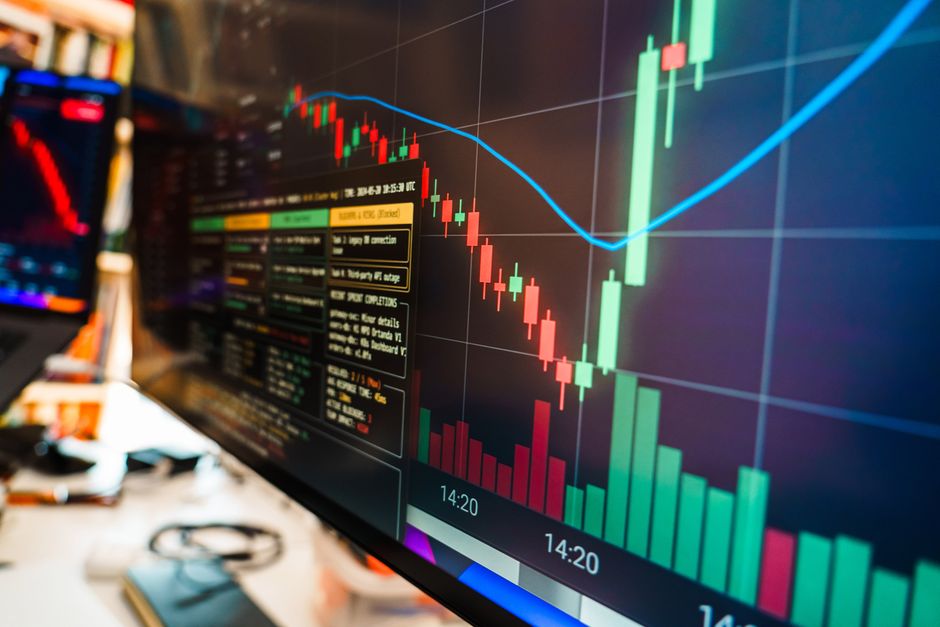
The calculation requires looking at the volatility of the specific timeframe used. A 5 minute setup requires a tighter tolerance than a 60 minute range because the expected move is smaller. If the volatility during the premarket is low, the slippage limit can be narrower. During a high volume cash open, the limit must account for the rapid movement of the order book. The limit is a fixed number applied to the limit order or stop order. It acts as a mechanical filter for the execution engine.
Impact of Timeframe Selection
Different intervals dictate different slippage expectations. A trader using a fifteen minute range encounters different liquidity dynamics than one watching the thirty minute range. Larger timeframes often involve more significant price swings at the opening bell. The slippage tolerance must scale with the expected volatility of the chosen window. Using a static limit across all timeframes leads to inconsistent results. The math requires a dynamic adjustment based on the historical slippage seen in that specific intraday period.
Execution Mechanics
Orders are placed as limit orders slightly above the breakout level to catch the momentum. If the price moves past the tolerance threshold before the order fills, the trade is void. This prevents chasing a move that has already exhausted its immediate momentum. The system checks the current bid and ask against the breakout price plus the allowed slippage. If the spread is wider than the limit, the order remains unfilled. This mechanical process preserves the integrity of the predefined risk parameters.
Monitoring Performance
Logs of filled versus missed orders provide the necessary data for adjustment. A high rate of missed trades suggests the tolerance is too narrow for the current volatility. A high rate of poor fills suggests the tolerance is too wide. The goal is to capture the move without sacrificing the expected profit per trade. Constant review of the session high and low relative to the entry price identifies where the slippage most frequently occurs. Data drives the adjustment of the limit.