Session Volume Profile Calibration
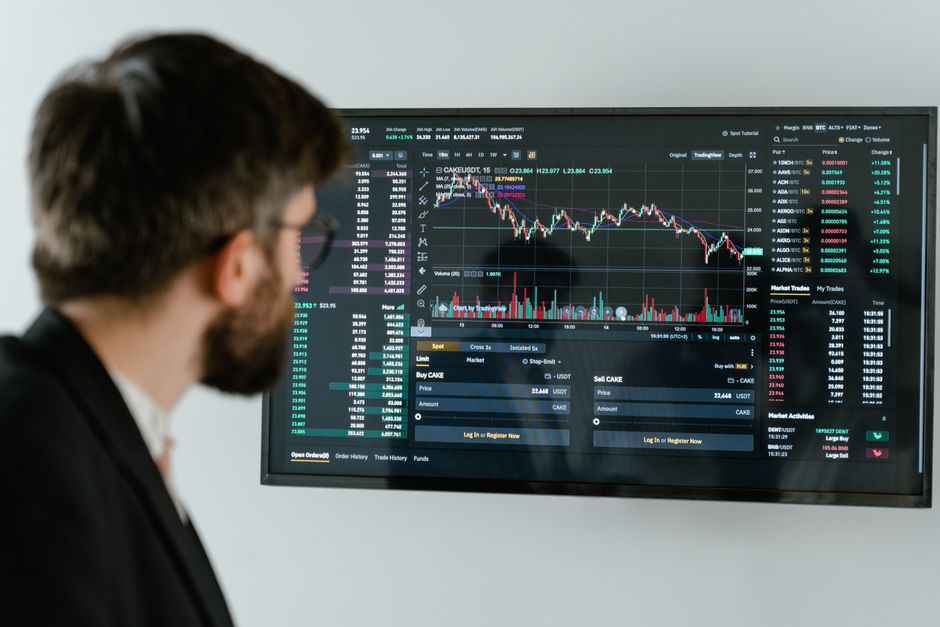
After the first candle closes on the morning of a volatile trend, the calibration of volume profiles must be finalized. The methodology applied within orb trading platform sononline ng differs from standard textbook settings because the intraday data requires a specific separation of liquidity sources. A proper setup requires isolating the overnight session from the regular trading hours to avoid skewed high volume nodes. When the volume profile is incorrectly merged, the resulting distribution misrepresents where the real money is moving during the cash open.
Separating Overnight Liquidity
The data stream from the overnight session often contains thin volume that creates artificial peaks. These peaks can look like significant support or resistance, but they lack the participation seen during the market open. To fix this, the profile must be split. One profile tracks the premarket activity, while a second profile starts fresh at the opening bell. This prevents the low volume from the overnight session from bleeding into the primary distribution. A merged profile creates a false sense of value that disappears once the heavy participants arrive.
Setting the Timeframe for Calibration
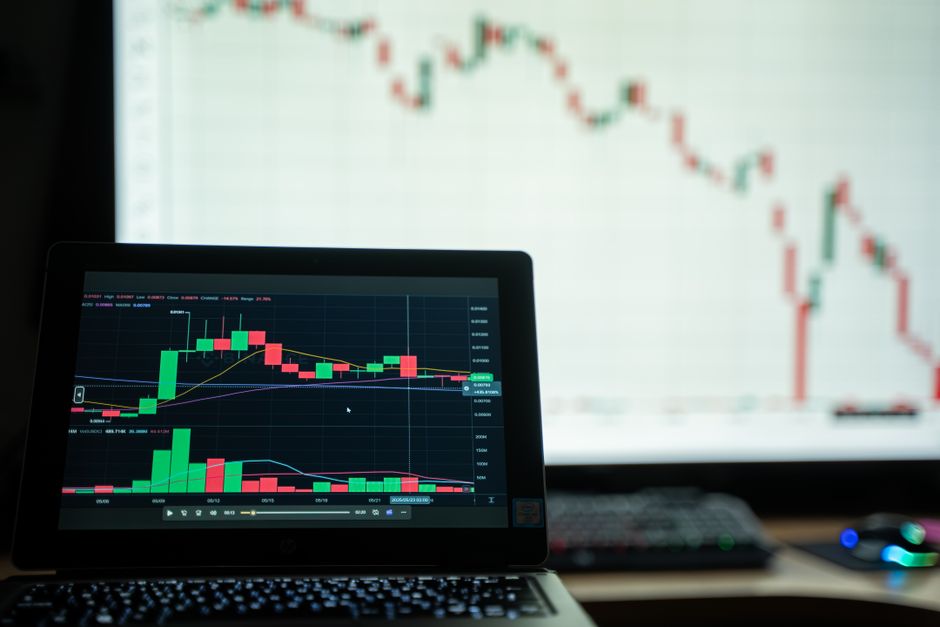
Choosing the correct timeframe for the initial calculation changes the shape of the profile. A 5 minute view provides high granularity but creates noise. A 30 minute range offers a smoother curve that identifies the true point of control. Most successful calibrations rely on the first hour of trading to establish the primary value area. If the profile includes the entire overnight session in one continuous block, the volume nodes from the pre market period will distort the perceived strength of the opening range breakout.
Identifying the Opening Range
The opening range serves as the boundary for the day's initial direction. By isolating the volume that occurs during the first fifteen minutes, the profile shows exactly where the auction is finding balance. If the volume profile is not calibrated to separate the premarket, the opening range breakout might appear to happen at a level that was actually a high volume node from three hours prior. This error leads to bad entries. The profile must show the liquidity strictly as it relates to the regular trading hours.
Refining the Value Area
A 15 minute range provides a snapshot of immediate sentiment, but the full session high is only visible once the volume profile matures. During the first hour, the profile is highly sensitive to sudden bursts of activity. Calibration involves adjusting the lookback period so that the volume profile reflects current order flow rather than historical overnight patterns. This mechanical adjustment ensures that the value area accurately tracks the current session's auction rather than a composite of multiple sessions.